

Medical malpractice · Hair transplant and IVF
Hair Transplant Malpractice
Hair transplant negligence: infection, scarring, an irregular hairline and donor area damage; evidence, compensation and time limits.
At a glance
- Remote process
- With a power of attorney, the case can as a rule be followed without travelling to Türkiye
- First step
- Request an initial assessment
- Meeting languages
- Turkish and English
On this page
Hair transplantation is one of the most common cosmetic procedures performed for people experiencing hair loss. Although Turkey is one of the world’s leading centers for hair transplantation, a large number of malpractice cases can also arise due to procedures that do not meet standards.
Hair transplant malpractice can result from procedures performed by inexperienced individuals, failure to follow hygiene protocols, improper graft placement, or inadequate evaluation of the patient.
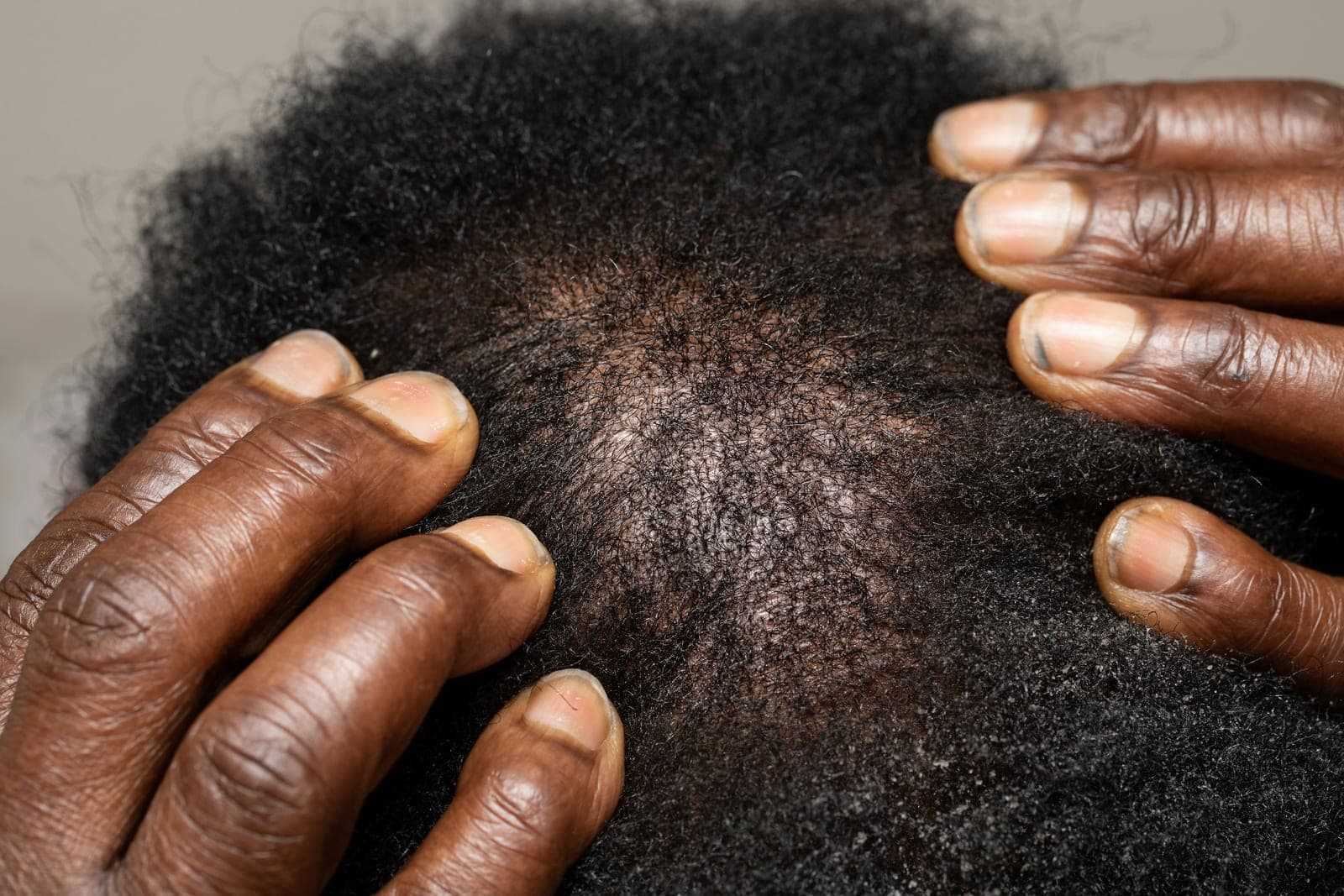
Such errors can result in infections, permanent hair loss, an irregular hairline, aesthetically unsatisfactory results, and permanent damage to the scalp.
Individuals who have suffered harm due to medical negligence may initiate legal proceedings against healthcare facilities and those responsible to seek compensation for their damages.
First step
Applications are reviewed by our firm.
Turkey’s position as an important centre of global aesthetic tourism increases demand for hair transplant procedures, but it also brings risks arising from practices that do not meet standards. This page covers the basic steps of the legal process, gathering evidence and protecting rights for patients who need the support of a hair transplant malpractice lawyer. At Zen Law Partners, we review the compensation claims of patients harmed after a hair transplant, including those applying from abroad, and conduct their court proceedings.
The Legal Basis and Definition of Hair Transplant Malpractice
Hair transplant malpractice is a complex legal concept defined not only by a failure to meet aesthetic expectations but also by a breach of medical standards concerning the patient’s physical and psychological integrity. In determining medical standards, the guidelines of the relevant professional bodies, international surgical protocols and general principles of good medical practice are taken as a reference. In assessing whether a procedure amounts to malpractice, the surgeon’s knowledge at the time, the patient’s medical history and whether the technical method applied departed from widely accepted practice are critical factors.
From a legal perspective, three basic elements must be present together for a medical negligence claim to be accepted: unlawful conduct, damage and the causal link between the two. To prove these elements, we examine the medical file, clinical records and independent specialist reports together. The degree of negligence can range from minor carelessness to serious, life-threatening complications.
Common Scenarios Amounting to Medical Negligence
Negligence in hair transplant operations can generally be seen throughout the whole process, from the pre-operative assessment to post-operative care. Harvesting grafts from the donor area at excessive density can lead to abnormal hair direction in the recipient area or permanent scarring. In addition, infections resulting from failure to follow sterility rules can bring the patient’s condition to a critical level. Such technical errors give rise to legal liability as a result of the surgeon’s lack of care or lack of training.
Failure to observe patient acceptance criteria is also an important form of negligence. Performing the procedure on patients who smoke or have chronic conditions such as diabetes can reduce graft survival and lead to failed results. A surgeon promising the patient results that are not medically possible, or giving untrue information about possible risks during the informed consent process, is also among the main conduct examined. Claims that the patient’s consent was not obtained, or was obtained incompletely, are an independent source of fault in law.
Reviewing the Case and Evidence-Gathering Strategies
Malpractice cases depend to a large extent on the quality and consistency of the evidence gathered. In the initial assessment, we guide you through preparing the file using a document checklist. This process involves not only gathering medical records but also archiving in chronological order the photographs taken before and after the operation. Photographs should be supported by time stamps and location data (metadata); otherwise their evidential value may be weakened.
Access to medical records is one of the most basic steps in the legal process. In Turkey, patients have the right of access to their own medical files and surgical summaries. Where you suspect gaps, contradictions or manipulation in the documents provided by the clinic, you need to obtain an opinion from an independent forensic medicine institution. The table below summarises the critical points to focus on during the review of the case file:
| Type of Document | Point of Review | Possible Indicator of Fault |
|---|---|---|
| Surgical Records | Number of grafts, technical method, equipment used | Use of non-standard technique |
| Pre-Operative Examination Reports | Contraindicated conditions not being checked | Inadequate patient assessment |
| Invoices and Payment Records | The fee charged against the scope of the service provided | Failure to deliver what was promised in advertisements |
| Follow-Up Records | Time taken to report and respond to complications | Delayed intervention as a result of negligence |
Establishing Causation and Specialist Opinions
The causal link between the damage and the medical error is one of the hardest matters to prove before the court. The patient is expected to prove the argument that, had the faulty procedure not been performed, their condition today would be better. For this purpose, reports from another surgeon or a trichology specialist can be used to support that the current condition falls outside the normal healing process and that the permanent damage results from the medical error. We submit the reports to the case file, making sure these specialist opinions are carried correctly into the legal assessment.
In addition, whether the patient was at fault must also be examined carefully. For example, continuing to smoke despite the surgeon’s instructions or not following wound care rules can create contributory fault that may affect the amount of compensation. For this reason, documenting that all instructions were followed in full strengthens the legal position. Instructions confirmed in writing or electronically are an important factor that weakens the other party’s defences.
Items of Compensation and Legal Needs
The compensation that can be claimed in malpractice cases has both a pecuniary and a non-pecuniary dimension. Pecuniary damages cover the cost of the first operation, fees paid for second or corrective operations, medication and treatment costs, travel and accommodation costs and loss of income. Non-pecuniary damages aim to compensate emotional effects such as the patient’s pain, suffering, withdrawal from social life, loss of self-confidence and psychological distress. We prepare these items with a detailed financial analysis and, where necessary, a psychological assessment.
For international clients, the process also involves the interaction between different legal systems. If the operation was performed in Turkey, the applicable legal rules and procedures will be subject to the legislation of the Republic of Turkey. However, whether secondary legal proceedings can be started in the patient’s country of residence must be investigated within the framework of bilateral agreements and the rules of international jurisdiction. For this reason, the applicable law and jurisdiction are assessed at the start of the case.
Limitation Periods and Legal Follow-Up
In medical negligence cases, limitation periods are the most critical matter for avoiding a loss of rights. Under the general provisions of Turkish law, limitation in medical negligence cases requires attention to the obligation to act within a certain period from when the incident became known. Although a five-year limitation period generally applies, these periods may vary according to the circumstances of the case. We calculate the limitation period according to the circumstances of each case and plan the application so that it is made within that period.
Periods generally begin to run from the moment the damage becomes definite or the patient becomes aware of the negligence. However, there are also some exceptions and grounds for interruption. Once the legal process has started, settlement talks can be held with the other party; however, this process may have the effect of interrupting limitation periods. With a strategic approach, formal letters of notice and preparations for filing a lawsuit should be carried out at the same time to protect legal rights.
How We Work
We conduct cases with due regard to court procedure in Turkey and medical reporting standards. We use representation through a power of attorney so that clients abroad can pursue their rights without coming to Turkey. Correspondence is conducted in Turkish or English.
At every stage, from the initial assessment to the court-appointed expert review, we give you clear information and move to the next step only with your written approval. No assurance is given as to the outcome or the amount of compensation; each case is assessed on its own circumstances.
If you have experienced a complication, aesthetic loss or health problem after a hair transplant, Zen Law Partners can review your case. In the initial assessment we review your medical records and tell you in writing which routes are available.
Useful Information
Frequently Asked Questions
You can find answers to the most frequently asked questions about legal processes here.
What are the most common examples of hair transplant malpractice in Turkey?
Hair transplant malpractice may occur when a clinic, surgeon, or medical team fails to meet accepted professional standards during the procedure. Common examples include excessive donor area extraction, unnatural hairline design, incorrect graft placement, severe scarring, infections, poor hygiene standards, unqualified personnel performing medical procedures, and failed transplant results requiring corrective treatment. If these issues cause physical, financial, or psychological harm, you may have grounds to pursue a compensation claim.
Do I need to travel to Turkey if I decide to pursue a hair transplant malpractice claim?
No. Once a power of attorney has been granted, your legal representatives can conduct court proceedings, official applications and correspondence with the relevant institutions on your behalf. International patients can bring a hair transplant malpractice claim in Turkey without attending court hearings in person. Throughout the process your lawyer represents you and informs you of important developments.
What should I do if problems develop after returning home from a hair transplant in Turkey?
If you experience infections, excessive scarring, poor hair growth, donor area damage, unnatural results, or any other complications after returning home, you should seek medical advice and carefully document your condition. Photographs, medical reports, treatment records, invoices, and communications with the clinic may serve as valuable evidence when pursuing a malpractice claim. As medical malpractice claims in Turkey are subject to statutory limitation periods, it is advisable to seek legal advice as soon as possible.
How can I prove that my hair transplant procedure was performed negligently?
To establish negligence, it must be shown that the clinic or medical professionals failed to provide treatment in accordance with accepted medical standards and that this failure directly caused harm. Evidence may include photographs, medical records, expert opinions, consultation documents, surgical reports, and records of any corrective procedures required following the treatment.
What compensation can I recover in a hair transplant malpractice claim?
In a hair transplant malpractice claim, you can claim compensation for the cost of the initial procedure, corrective treatment costs, medical expenses, travel and accommodation costs, loss of income, pain and suffering, psychological harm and long-term damage resulting from negligence. The amount of compensation awarded is determined by taking into account the severity of the injury, the financial losses suffered and the overall effect on your quality of life.
How do we work on these cases?
Our team assesses the cases of patients who believe they were harmed after a hair transplant in Turkey. The process is the same for clients living in Turkey and for those applying from abroad.
Initial assessment. We review your medical records and tell you in writing whether you are entitled to claim compensation and which legal routes are available.
Representation. If you grant us a power of attorney, we represent you at the mediation, litigation and enforcement stages. As a rule, you do not need to be in Turkey for the hearings.
Keeping you informed. We report every development in your case to you and move to the next stage only with your written approval.
If you would like your case to be assessed, you can fill in the initial assessment form or write to us.
Topics in the same group
Topic guide