

Medical malpractice · Aesthetic surgery
Ear Aesthetic Surgery Malpractice
Otoplasty complications such as asymmetry, deformity and scarring: proving negligence, evidence, items of damage and time limits.
At a glance
- Remote process
- With a power of attorney, the case can as a rule be followed without travelling to Türkiye
- First step
- Request an initial assessment
- Meeting languages
- Turkish and English
On this page
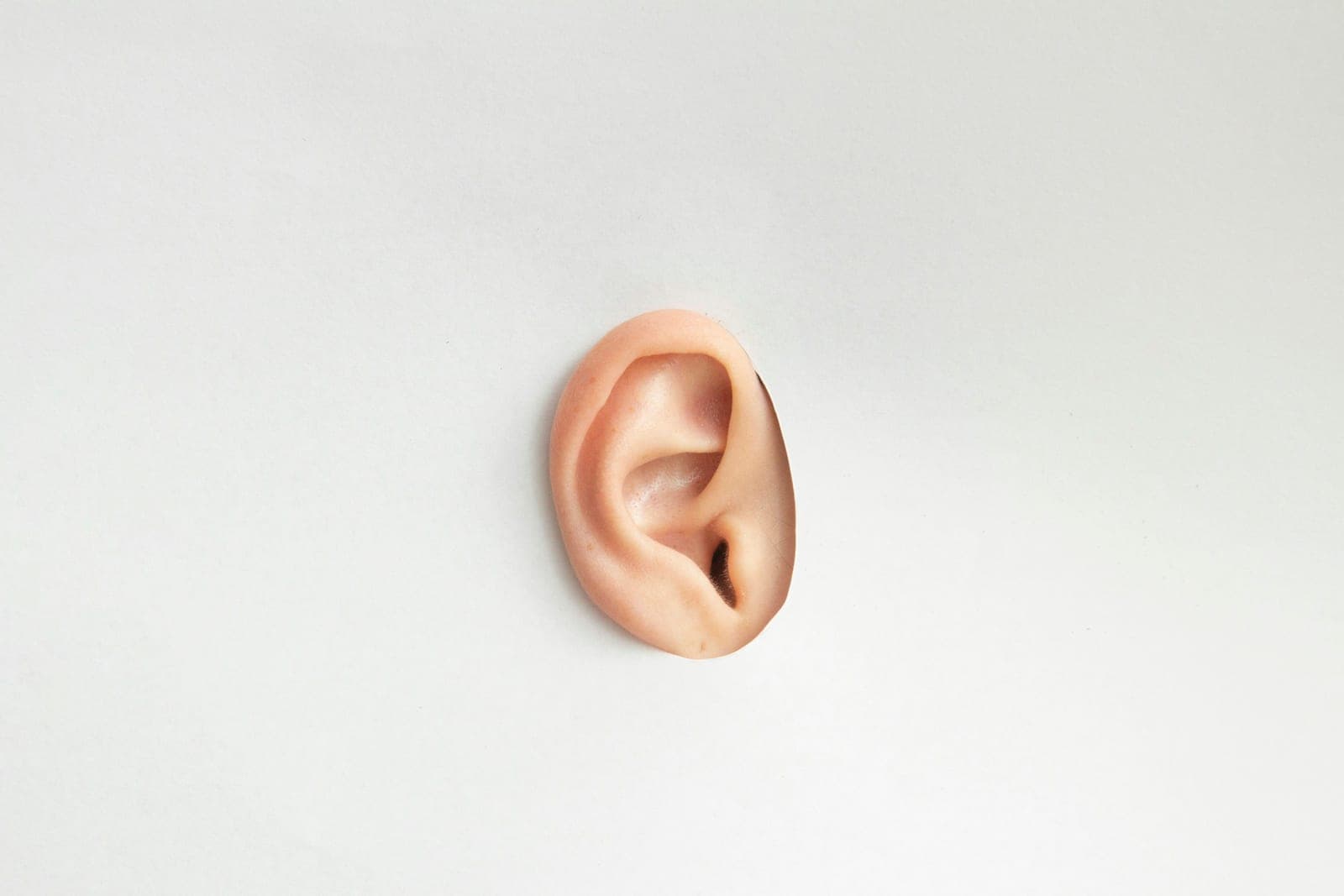
Ear surgery (otoplasty) is a cosmetic surgical procedure performed to correct the shape or position of the ears. Although the procedure is generally considered safe, improper techniques can lead to serious complications.
Cases of medical malpractice in ear surgery can result from the use of improper surgical techniques, inadequate infection control, excessive tissue removal, or errors in postoperative care.
Complications include ear asymmetry, deformities, noticeable scarring, infections, and permanent aesthetic issues. These conditions can negatively impact patients’ quality of life and self-confidence.
Individuals who have suffered harm as a result of medical malpractice may initiate legal proceedings to seek compensation for their losses.
First step
Applications are reviewed by our firm.
Ear aesthetic surgery malpractice covers the process by which patients harmed by surgical complications after otoplasty seek their rights. For patients who experience asymmetry, permanent deformity or psychological trauma after faulty otoplasty, an ear aesthetic surgery malpractice lawyer helps manage the legal process correctly. At Zen Law Partners, we review the compensation claims of patients living in Turkey and patients applying from abroad in these cases and conduct their court proceedings. In medical negligence claims, gathering evidence, proving the causal link and supporting compensation claims with their legal grounds are the basic stages of the case.
Ear Aesthetic Surgery Malpractice: The Concept of Medical Negligence and Its Legal Dimension
Ear aesthetic surgery is an invasive intervention that requires reshaping cartilage, repairing soft tissue or changing the position of the ear. Departures from standard care procedures are defined as situations that put patient safety at risk. Medical negligence is defined as a physician failing to act with the level of care and expertise expected of their peers in the same circumstances. The delicate anatomy of the ear region and the slow healing capacity of cartilage mean that even small surgical errors can lead to irreversible, permanent aesthetic consequences. For this reason, whether the standard of care was breached lies at the centre of the legal review.
Types of Ear Aesthetic Surgery Malpractice and Common Complications
Errors made before, during or after the operation can cause various complications. While these complications may be temporary, in many cases they leave permanent damage and seriously reduce the patient’s quality of life. From a legal perspective, the distinction between which complication is accepted as a medical outcome and which arises from negligence is critical. The situations frequently seen in ear aesthetic surgery malpractice cases are listed below:
- “Cup ear” deformity as a result of excessive removal of cartilage
- Ears pinned closer to the head than necessary, or an asymmetric position
- Prominent, raised or hypopigmented surgical scars
- Cartilage necrosis or tissue loss caused by infection
- Failure to achieve the aesthetic result promised before the operation and the need for a further operation
The Importance of Evidence in Ear Aesthetic Surgery Malpractice Proceedings
In medical liability cases the burden of proof is generally on the patient, but in practice this process requires bringing together evidence of many kinds. How and when the evidence is gathered directly affects the strength of the legal position. The completeness of the evidence increases the credibility of the claims and can weaken the other party’s defence. We determine, case by case, which medical records, photographs or specialist opinions will matter as evidence. Managing the evidence requires a systematic plan from the start of the case.
Analysis of Medical Records and Operation Notes
Pre-operative consultation notes, anaesthesia records, details of the operation and follow-up appointment reports are the cornerstones for building the chronology of events. Gaps, inconsistencies or departures from standard protocols in these documents can support the negligence claim. In particular, whether the surgeon recorded the unexpected situations encountered and the medical decisions taken during the operation is decisive for the analysis of liability. We check whether these documents are complete for independent review and identify points that conflict with imaging or examination findings.
In addition, high-resolution photographs of the patient taken before and after the operation are vital for documenting visually the extent and permanence of the deformity. The time the photographs were taken, their angles and the lighting conditions must meet standards in order to have evidential value. We guide our clients on keeping the evidence safe and preserving the integrity of digital records. The photographs show not only the aesthetic result but also the development of complications such as infection, protruding cartilage or asymmetry. Because this visual evidence will be assessed by independent medical court-appointed experts, it is expected to be objective and unaltered.
The Legal Process and Claims in Ear Aesthetic Surgery Malpractice
Medical malpractice cases are a complex legal process and generally follow a multi-stage roadmap spread over time. The first step of the process is the legal assessment. At this stage, the facts of the incident are examined in the light of the medical literature and standards of practice. Before a lawsuit is filed, a formal notice is generally sent to the other party. Formal notices make the claims official and, by starting the other party’s time to respond, can open the door to settlement. However, settlement offers must be assessed carefully so that they do not lead to a loss of rights. In the formal notice we set out clearly both the claim and the state of the evidence.
Items of Damage and the Scope of Compensation Claims
The items of damage that can be claimed as a result of ear aesthetic surgery malpractice cover not only financial losses but also non-pecuniary suffering. Non-pecuniary damages aim to compensate the psychological suffering, social isolation and loss of self-confidence experienced by the patient and the lasting psychological effects of the aesthetic deformity. Pecuniary damages are calculated for treatment costs, loss of income due to incapacity for work and potential future treatment costs. In both categories, the claims must stay within legal limits and be linked to evidence that can support them.
| Category of Damage | Main Elements of Compensation | Evidence Required |
|---|---|---|
| Non-Pecuniary Damages | Psychological support, difficulty in social adjustment, loss of self-confidence | Psychologist’s reports, restrictions on daily activities |
| Pecuniary Damages | Treatment costs, additional surgical expenses, loss of income | Invoices, sick-leave reports, letters from the employer |
| Future Costs | Potential reconstructive surgery, chronic care | Specialist medical prognosis reports |
How We Work
In ear aesthetic surgery cases we carry out the legal assessment together with an independent medical opinion where necessary. At every stage we inform our client and explain the reasons for the route followed. We explain medical and legal terms clearly so that the client can make informed decisions. We report every development in your case to you and move to the next step only with your written approval.
Proving the Causal Link
One of the most difficult stages in medical negligence cases is proving not so much that the surgery turned out badly, but that this outcome was the result of a surgical error. The causal link must be supported by medical reports with a high degree of certainty and independent specialist opinions in order to rebut the other party’s “inherent risk” defence. In ear aesthetic surgery malpractice claims, arguments are developed that the deformity resulted from faulty surgical technique, that the infection was due to a lack of hygiene or that the complication could have been prevented by early detection. We turn these biomedical links into a legal assessment and prepare the file for review by the court and the court-appointed expert.
These analyses cover not only the moment of surgery but also post-operative care. If the patient information form was not signed, or the signed form contains inadequate information, legal deficiencies may arise as to whether consent was obtained. The fact that the patient was not adequately informed about the risks of the operation and the alternative options is a strong indication that surgical standards were breached. We identify such procedural shortcomings and put them in the file together with the evidence. Conveying the technical details correctly at every stage of the process directly affects how the claim is assessed.
Limitation Periods and Administrative Complaint Routes
Exercising legal rights in time is critical for following the proceedings. In medical malpractice cases, limitation periods begin to run from the date on which the damage was discovered and generally include an absolute deadline running from the date of the incident. Missing these periods can lead to a loss of rights. Because each case has its own timing, it is important not to postpone the legal assessment. We calculate the limitation period according to the circumstances of each case and plan the application so that it is made within that period.
Administrative complaint mechanisms can be used outside the court process or in parallel with it. Notifications made to supervisory boards for healthcare institutions ensure that medical errors are entered in official records. These administrative processes sometimes provide financial compensation, but more often they are a first step in establishing legal liability. Making sure administrative complaints do not conflict with the legal process, preserving evidence and bringing official records together are advantageous in complex cases. We plan with our client how these two routes can be pursued consistently with each other.
Psychological Effects and Long-Term Follow-Up
Ear aesthetic surgery malpractice is not limited to physical deformity; changes to the ear region in particular, which is in full view of others, deeply affect social life and psychological balance. Marked loss of self-confidence, withdrawal from social settings and constant anxiety can turn into chronic psychological problems. These effects carry critical weight in compensation calculations under the item of “reduced quality of life”. Reports from a psychologist or psychiatrist document the psychological dimension of the deformity and strengthen claims for non-pecuniary damages. Long-term follow-up helps to establish whether the healing process has been completed and whether new complications have developed.
The fact that cases can last a long time and be stressful can affect the client’s medical and psychological recovery. For this reason, legal steps are planned with the client’s treatment in mind. Psychological trauma after faulty surgery may require long-term treatment; the costs of this treatment are also taken into account in the compensation claim.
Step-by-Step Legal Review and Initial Assessment
An effective legal review begins with documenting a detailed account of the incident in writing. Setting out the timeline, all medical interventions, complaints and the doctor’s responses in chronological order makes it easier to identify the error in complex cases. Building an evidence package is the basis of the legal review. This package should include copies of the medical files, the surgical consent form, invoices for medication and medical materials and appointment schedules. A complete file enables the independent medical assessment to be made faster and more accurately. We keep the documents we receive from our client in accordance with confidentiality rules.
- Establishing the chronology of the incident and compiling the available evidence
- Review of the file and preliminary opinion by a specialist medical court-appointed expert
- Assessment of legal merit and identification of the items of the claim
- Preparing and sending the formal notice
- Settlement negotiations or preparation for litigation
Each step rests on a strategic decision that supports the next. Throughout the legal process, the client is informed at regular intervals by the lawyer in charge, and every development in the process is shared transparently. This structured approach reduces legal uncertainty and gives the client a solid basis for protecting their own rights.
If you have experienced a complication after ear aesthetic surgery and suspect medical negligence, Zen Law Partners can review your case. In the initial assessment we review your medical records and tell you in writing which routes are available. If you would like your case to be assessed, you can fill in the initial assessment form or write to us.
Topics in the same group
- Rhinoplasty Malpractice
- Breast Augmentation Malpractice
- Breast Reduction Malpractice
- Breast Lift Malpractice
- Breast Surgery Malpractice
- Tummy Tuck Malpractice
- Liposuction Malpractice
- BBL & Body Contouring Malpractice
- Facelift Malpractice
- Medical Malpractice in Brow Lift Surgery
- Medical Malpractice in Arm Lift Surgery
- Thigh Lift Malpractice
- Genital Aesthetic Malpractice
- Gynecomastia Malpractice
- Thread Lift Malpractice
- Plastic Surgery Malpractice
- Cosmetic Surgery Complication Lawsuits
- Non-Surgical Cosmetic Procedure Malpractice
- Dermal Filler And Botox Malpractice